I use Inovelli Blue switches/dimmers throughout my home. The LED bar on selected strategically positioned units is used to indicate various events, such as pulsing red when a door lock is open between late at night and waking hours the next day. Some of my experiments are noted here:
and here:
My home office Inovelli Blue unit got a bit overloaded with notifications, to the point that I sometimes didn't remember what color and pattern meant what for the less common events. So I put together one of the Zigbee USB block+LED's for a discrete indicator of the most important notifications:
I still was not satisfied: what I really wanted was a compact indicator unit that actually told me more about events. So I started playing a couple of months ago with Cheap Yellow Displays (CYD's). With the great help of Claude and ChatGPT, I programmed a 3.5" capacitive display unit to show messages sent by Rule Machine POST commands, like this:
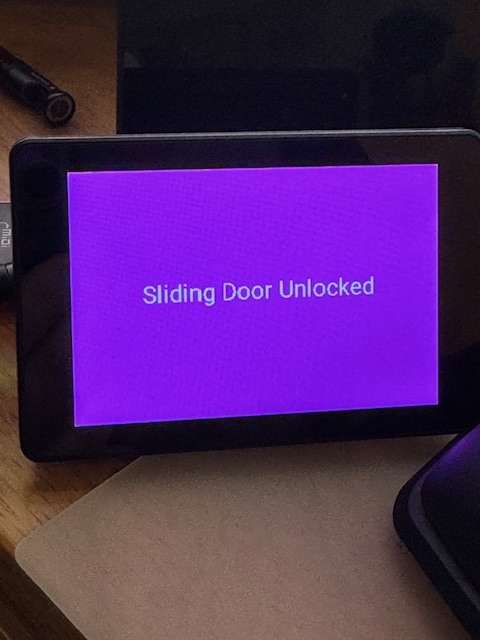
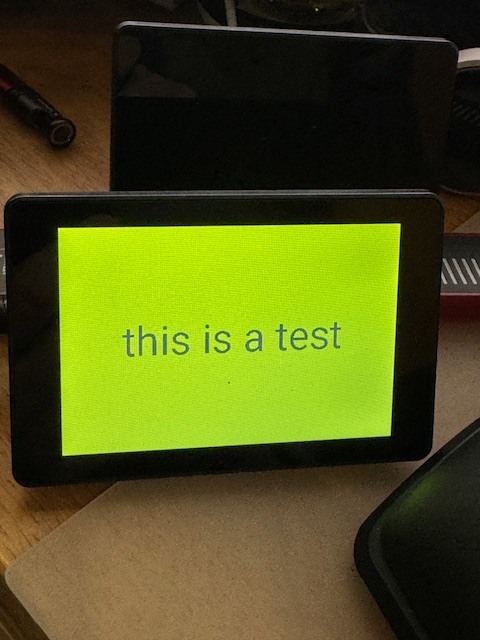
The photos don't show all of the available characteristics of messages: flashing, pulsing, scrolling (vertical or horizontal), font size and color selection, etc., as well as a message history buffer:
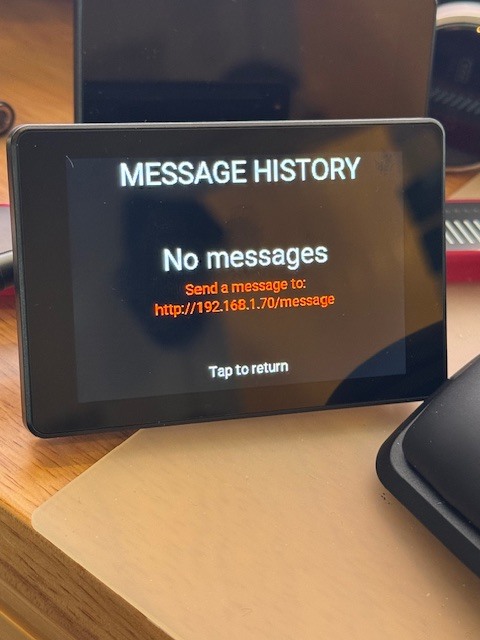
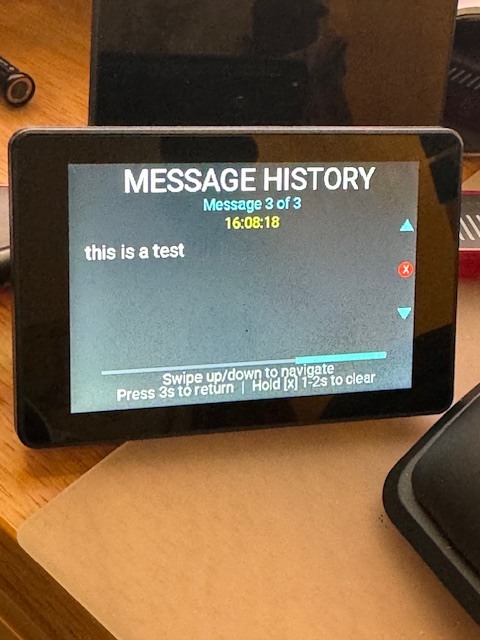
The display doesn't sit idle while waiting for messages from Rule Machine. It's also a clock, local weather reporter, and perpetual calendar (either or both of which can be enabled to automatically show for X seconds every Y minutes):
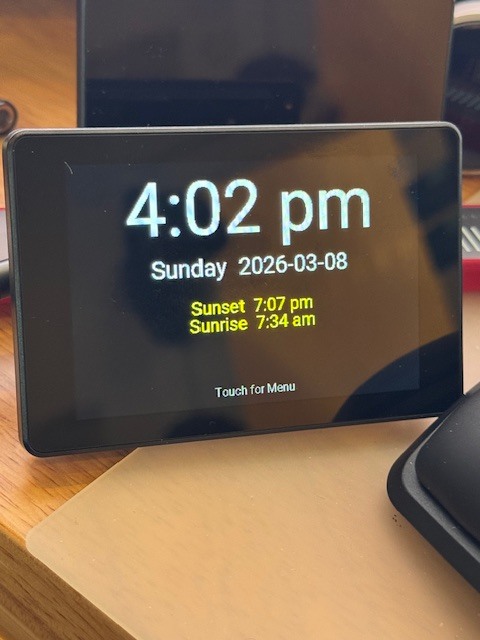
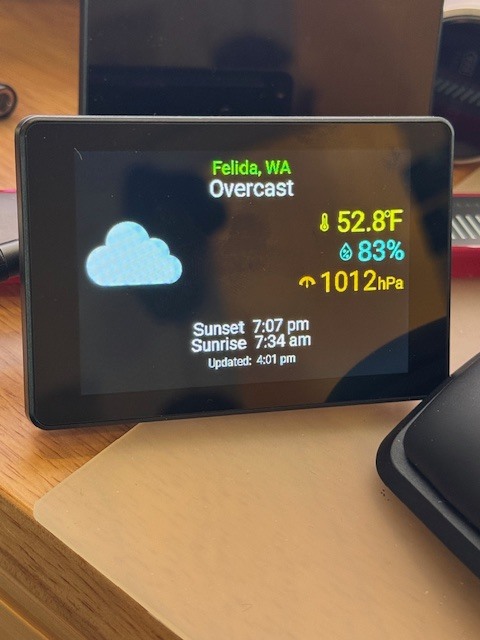
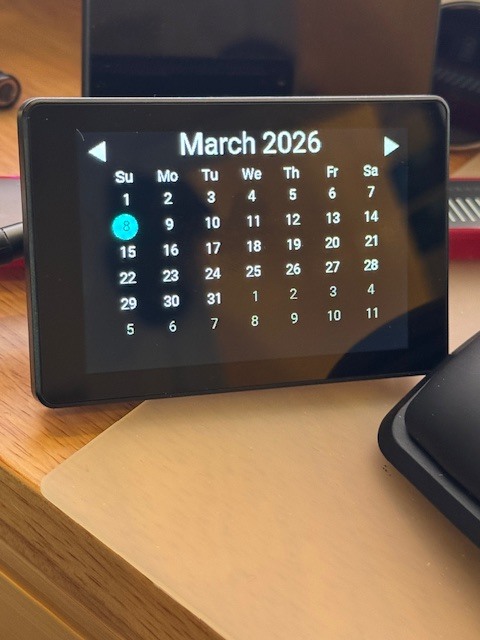
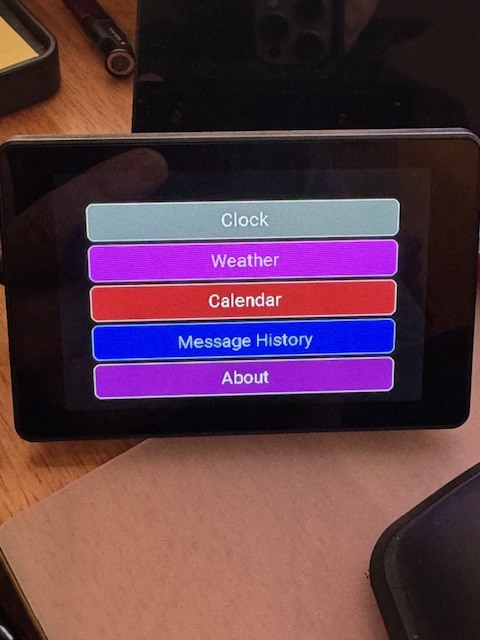
There is also an HTML interface that allows message construction, shows device status, allows over-the-air updates of the CYD's (I have 4 of them now), night mode (reduced brightness between specified times), full clock configuration (colors, fonts, time and date format, screensaver settings), a web log for debugging, dark and light mode settings, and much more.
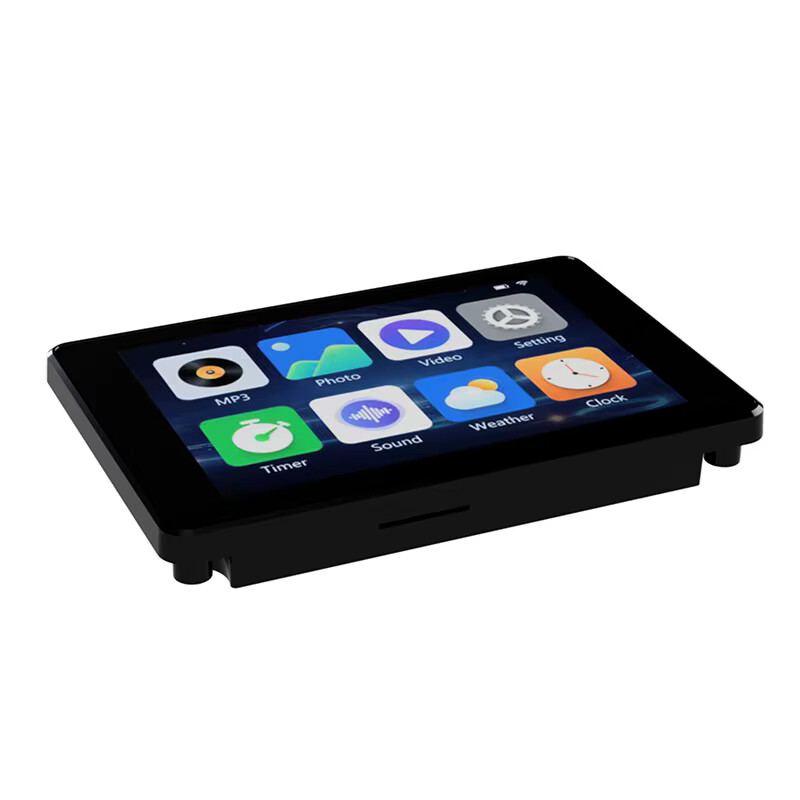
If anyone is interested, I can make the source code available. You will need the Arduino IDE to compile and load it into the CYD, and you MIGHT have to tweak 2 or 3 lines of standard graphics library code to get it to run. And, as-is, it will ONLY run on this device (about $25):
I'm only an amateur "programmer" (more of a "AI, add this feature" kind of guy), so the code is strictly on a permanent "beta" status with no guarantee of support (that's why you get the source code).