Is there a good reason to choose sensors powered by button batteries over traditional batteries, like AA and AAA?
This afternoon I decommissioned 4 Smartthings contact sensors, replacing them with Third Reality sensors I bought a few months ago. The Smarttings sensors worked well and I was mostly happy with their performance, but did not like how (for me) they drained the button battery (CR2450) charge so quickly, requiring battery changes every 4-6 months for some sensors. I know, I know, there can be environmental or other factors that can influence rapid battery drain.... but I feel I have passed the point of wanting to spend time understanding that and adjusting my setup. The Third Reality sensors run off two AAA batteries which, as the batteries supplied deplete, will be replaced with rechargeable batteries.
Aside from the additional features the Samsung / Aeotec sensors may have in terms of temperature and sensor activity, etc, what are the benefits (if any) to using sensors that use button batteries over traditional batteries?
I have completely moved away from rechargeable batteries. The button batteries that I use, only around Christmas, do not last long. So this question is of interest to me.
EDIT : I do use the CR2450 button batteries in my door contact sensors (Aeotec) year round. And indeed, they require replacement every 4-6 months.
1 Like
Let's see who wins.... 

Yeah, I haven't completely done away with button's yet... but will likely... was curious if there was a reason to stick with them...
Oh I see now you are also considering moving away from buttons... perhaps not quite the comical stand-off.... 
Essentially where I am coming from.... seems environmentally and financially a waste...
It was only recently that the battery vs new sensor price-point started to make sense...
1 Like
Also, kudos to the the dev's for the "replace device" option when pairing a new device... super useful.
5 Likes
I admit that I am quite pragmatic about my battery devices. I don't chase the technology curve with those devices. They just work. And I stay with them, even if I have to change batteries every 4-6 months.
2 Likes
There is a logic there that I can also agree with... and did for some time... but for me the purchase and changing of the batteries eventually started to grate... But could understand staying true to an otherwise reliable device.
Plus, It is literally 3-4 hours into my use of these sensors, so no long-term testing from me. But from what I understand others have also had success with these sensors...
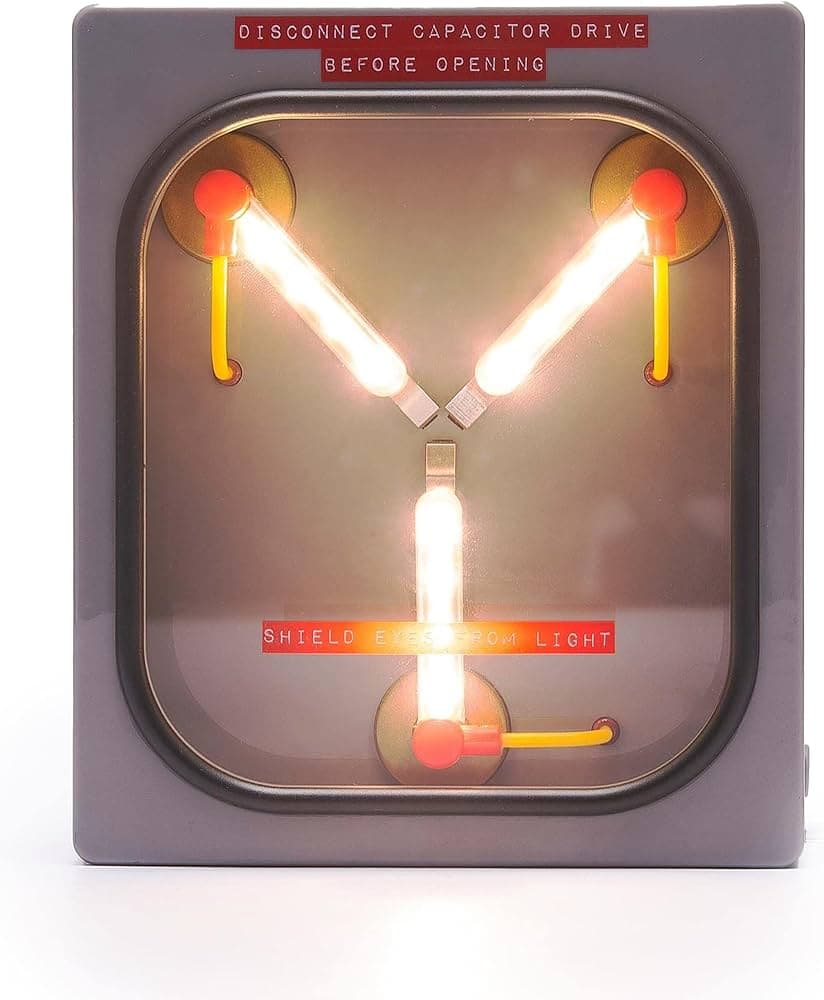
Now, when these devices start being powered by flux capacitors, I may have to consider upgrading.
2 Likes
When I understand more about power I might consider that option... 
I have Aqara sensors for basically everything. They all take button batteries of one type or another (2032 for the water sensors, 1620 for contact sensors, 2450 for motion sensors. However, it seems the average battery life is around a year and a half, some going about 2 years between changes.
For me it is not a hard-and-fast switch... I still have a number of Philips Hue, IKEA and SensorPush devices that still use button batteries... I will not be changing many of those anytime soon.
I have Aqara contact sensors for my windows as they are tiny and fit well within their frames. Not sure how long I’ve had those - likely at least 3 years… I never changed a battery yet.
Same for my Lutron Pico remotes. Never had to change a battery yet. I’m sure it will eventually happen though! 
My Smart Things multi-sensors on the other hand… I have to change those CR2450 way too often to my taste!!!
2 Likes
Sometimes it’s hard to beat the slim shape of those button batteries when a very small sensor is needed.
If I was designing a dream home automation setup, most or all sensors would be wired for low voltage (window shades too). No more battery changes. Ever.
7 Likes
I have such a mix of battery devices, and too many of them. I also use rechargeable coin batteries now, for those that take them. I think the main benefit to coin battery devices is that they are smaller, and less obtrusive.
I have to say, the Third Reality motion sensor I added to my pantry in February of '24 is still using the original two AAA batteries. They claimed up to two years, and I guess they are right. Right now it still reads 66%, but being at the two year mark it will be interesting to see how accurate the battery report is.
I have some cheap Zigbee sensors that take three AAA batteries, one in my basement and one in the mailbox. I get over a year out of those. They are a bit big and ugly, though, so I don't use them inside.
When I moved to mmWave sensors for living areas that plug in, I "got rid of" the PIR battery sensors in those rooms, only to have them get repurposed. So, I'm still changing way too many batteries.
I have also added a fingerbot and several scene knobs recently, I guess I'm a glutton for punishment. I have somewhere over 25 battery device now with motion sensors, contact sensors, leak sensors, temp sensors, scene buttons, scene knobs and the fingerbot.
I have Echo alert me in my office when a battery needs changing, which at least helps me keep on top of it.
2 Likes
Smaller profile is the only good reason. I think for everything else AA, AAA, CR123 wins.
3 Likes
Love rechargeable! My only concern with those is that they are rated at 130mAh vs 600mAh for the non-rechargeable ones… Sounds like they would need to be changed even more often in my Smart Things multi-sensors!