Truth in advertising - I didn't have to deal with corners, my installation hassle was routing wires thru 2x12 rough wood shelves, so consider that, when reading my answer and others may have better responses.
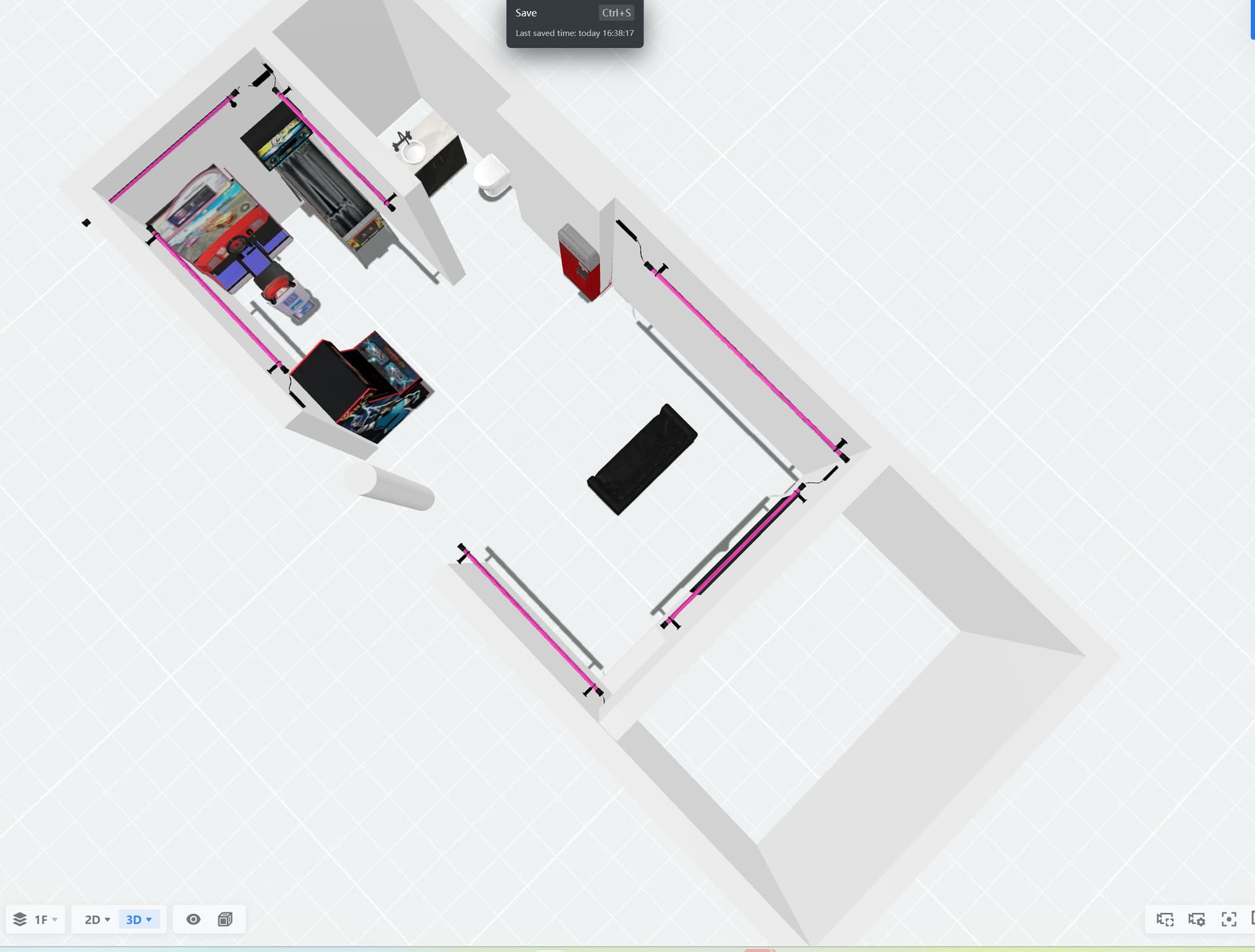
Bottom line, I think it would depend - given the depth of your channels, it looks like you can do a 90 turn with the strip - You just don't want to have a SMD pixel right at the 90 turn (which gets into the density of pixels/m). So my initial reaction, is just do a right angle with the strip - Unless you are right on a pixel.
Also, an important note, you CANT just cut the strips wherever you want (for addressible strips) there are typically marks on the strips (every 2-5 pixels) where you can make a cut - So you'll want your corner to line up with a cut mark in the strip - You can then cut, and solder wires to make the right turn - And that then becomes an obvious and easy point to do the power injection, as your back to an inch or less of wires/cable to go around the corner.
Or you can stop the channels just before the corner, cable behind the corner bead, and they continue the channel on the next wall.
So yeah, you can likely make a 90 bend with the deep channels, it just sort of depends on the strips and if you want that look or not - Also getting the diffusers to mate in a perfect 90 picture frame angle is a bit more work.
No worries. Everything is open frame right now (in the middle of drywalling) so getting wires and everything in right now is fairly easy., Lining things up should also be easy.
What I've done with coated RGBW strips where they're mounted on something hollow is pop a hole at the corner a bit wider than the strip. That allows you to push a bit of strip into the hole and rotate it through 90 degrees on the surface. That allows it to appear perfectly flat while turning 90 degrees.
Also going forward on this thread, I'd like to say thank you for everyone giving me this information. I think it will help me when I do my permanent outdoor holiday lighting too.
We'll that brings up yet another topic. - If your doing outdoor stuff, then IP ratings become a factor - I wasn't even planning to bring that up on the indoor/drywall discussion, but since you mentioned it...
Btw: since I've done a lot of drywall work and I'm not sure if you are doing this DIY... A 3 inch piece of drywall between these is going to be a pain in the rear. Consider using another material for this 3 inches or running 2x4 bracing horizontally at this level behind.
The outdoor space is getting more competitive so we are seeing good stuff that can be hacked with wled for better control. Like Govee and their fast followers. I'm sure we will see more and better options this year.