I'm so done with Smart Irrigation Valves

This came up in another post about irrigation valves, but my valves just don't make it through more than two summers. The valve mechanisms are cheap, low voltage valves that just die on me, especially after a valve sits through a winter. Seems every spring, at least one valve no longer opens and closes correctly. I have attempted to repair them, but to no avail.

I currently have three Zigbee valves and two wifi valves. None are over two years old yet, as I had to replace two last year, and two the year before. Hopefully all will work this year, but I am also expanding my irrigation set-up, and I don't want to buy any more of those valves with the cheap, small coil valves in them that run off of only 3-6 volts from the valve batteries.

With that, I am ordering these today:


No more batteries to change, and the 12v valves should last longer than the crappy battery irrigation valves. I will power the board and the valves from a 12V power supply.

I am going to use 1/2" Pex to connect them to water, and 1/2" irrigation hose out to the gardens. The Zigbee board to control them will be out of the weather in my greenhouse, with wires going out to the valves outside.

Not bad to get what is essentially four valves for less than $50. I just think this setup will last longer than the battery smart valves, at least I am hoping it will.
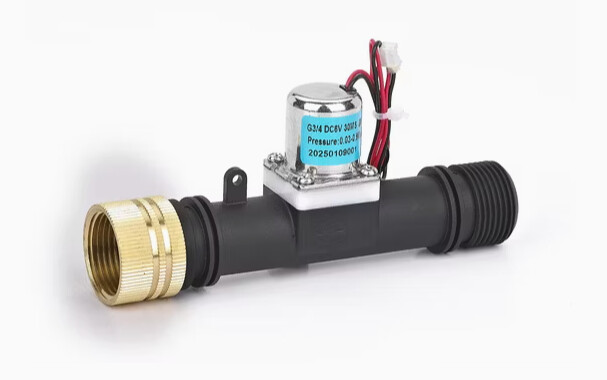
1 Like

There is a thread or two on here about the MHCOZY relay devices having some really crappy relays that don't last. I think they start chattering.

When I looked at doing this same thing I was going to go with Zooz relays and regular sprinkler jar valves. I still have a spare valve and 3 more coming so I didn't make the jump. Those washing machine solenoid look interesting and I'll keep those in mind if I go this route.

1 Like

I have four of the 4-channel and a two channel board, I have never had issues with them. Most of them are over 3 years old. The only board that had issue was one where the 7-32v power converter died, and even that board still works with the USB input.

So I can't say I have seen that. Most of them are not MHCOZY branded, but they are all the same board with the same relays. They have been very reliable, never fail to switch, and never drop from the mesh. They also seem to be the most popular repeaters on my mesh.

That's good news. I suppose like anything else anymore, it depends in which factory and what day of the week it was made.

Yup. It's actual Songle relays on them that start chattering after a year or two of hard use. Perhaps their build quality has improved since 2019-2020.

We've had Rachio for quite a few years and it's flawless. Just as an FYI.

1 Like

Those still run on batteries, correct? If so they have the same low voltage latching solenoids in them. It may make a difference if they sit unused in the winter as is my case, but it is those low voltage latching solenoids that fail for me. Maybe Rachio uses better quality valves, it is hard to say. I'm sure their 24V system solenoids are great, but that is not what they use in the smart controllers.

Those low voltage latching solenoids appear to get stuck, probably due to the latching effect so they only need power to change state. They seem to get "stuck" very easily after some use.

That is why I am hoping these 12V non-latching solenoids last longer. They need constant power to stay open instead of trying to latch open and release.

These are the latching solenoids found in the battery powered valves:

image

No. 24VAC.

In ground irrigation valves are quite reliable. They are 24VAC coils are non latching but there are millions installed. Generally for higher flow rates but they would work for gardens too. At $15-20 each they aren't overly expensive.

3 Likes

Those look pretty heavy duty, but I'm going with the 4/$15 12V valves since I already ordered them. I could always switch to 24V in the future, the Zigbee board will also run off of 24V AC.

Ah, those should be dependable then. Google was giving me mixed messages on the Rachio valves, saying their smart valves were 6v locking and their professional systems use 24V AC.

The standard for irrigation systems is 24VAC (solenoid) valves. That said for a smaller garden system you have other options as you note.

1 Like

As I recall, I once put several of those 24vac sprinkler valves on a post with a hose fitting on each for several hoses. Connected the valve header to the hose bib. Controlled by a panel inside the garage.

Probably easier to drain for winter. I had one split valve in a sprinkler system I put in myself. I was too cheap to hire someone and bought a fairly big air compressor, which I still have. Doesn't have the volume of a real one, but, heh, coulda been worse.

Oh, and it's 25F here right now, and I'm not even near Canada!

We covered this somewhat recently

24v is better when you have them around the yard also. Smaller wire.

Traditional dumb irrigation valves are time-proven devices designed to work outdoors in wet, dirty environments. A $4 washing machine valve is not likely to compare in any way to those. Washing machines and water dispensers are not installed outdoors, nor can they handle the volume of water generally needed for irrigation purposes.

As my brother is often fond of reminding me, your time is worth something as well. How much time are you going to spend cobbling together something like this? And dealing with a potentially sketchy zigbee relay device from a no-name Chinese company that will probably give you zero support and perhaps mess with your zigbee network just for fun because stuff like that doesn't have to meet any certifications whatsoever.

Good luck with this. I love tinkering and coming up with DIY stuff as much as anyone here, but sometimes it's not worth it in the long run. If a cheap washing machine valve fails, you could always wash your clothes in the sink. If your irrigation system fails, you could kill your grass, shrubs, flowers, whatever, and that can get real expensive, and cost you far more than a proper irrigation controller and valves will. Ask me how I know.

And then you have to come up with rules to control all of it, without watering unnecessarialy and wasting water (and money) in the process. Smart sprinkler controllers handle all that heavy lifting for you.

You do know Amazon offers free returns, right :slightly_smiling_face:

I'm not comparing to dumb irrigation valves, I'm comparing to unreliable smart valves. Personally, I've seen washing machine valves last the life of the machine.

They certainly will flow at least as much, if not more, than any smart irrigation valve with the latching solenoids.

Not much time at all. Pex and crimp rings go together quickly, The wiring is not going to take much time either. It is in fact a project so I'm not considering it work, per say, as I like cobbling stuff like this together.

As mentioned above, I've had great experience with these 4-channel boards over years now. I wouldn't call these boards no-name cheap crap, as they work great for me in many applications over years now. I have one running indoor irrigation pumps, one running my furnace by directly controlling zone valves, one running a three-speed stove hood fan, and one running a tower fan, They are great boards.

I have no doubt this will work great for me, I have a lot of experience with these boards, plumbing, and wiring stuff up.

Nope, we check the gardens every day. Believe me, if the garden doesn't auto-water even once, I hear about it. I also use moisture sensors that would alert me.

That's the fun part! I write everything into groovy apps. I will be rewriting my irrigation app for this to control all valves from one app and a child device, instead of using an instance of my previous app for each valve, as I had been doing.

I will report back when this is up and running. I have no doubt this will last longer than smart irrigation valves. If a valve dies it is a few bucks and a quick change-out instead of buying a whole new smart valve.

Why not just get a Rachio unit? Hubitat has built in compatibility. That way you can just use standard solenoids and integrate the Rachio schedule. Also integrates with Weatherflow (if you have one) so if it rains or is due to rain it won't run.

I really would rather spin something up myself, and that is really why I consider Hubitat a hobby, and not just a tool. The growing season is so short in VT, I really don't want to sink too much money into this anyway. Year round would be different. I'm doing fine now, but there were enough years in my past where I lived paycheck to paycheck that my brain still wants to always find the cheapest option, even for things I can afford now.

Doing something on the cheap that ends up working somehow feels like a small victory to me. Every device I have bought for Hubitat has been on sale, or a deal of some kind, and my device failure rate is very low.

I hear ya on the diy and forced to be frugal bit. I've gotten to the point though Where I'd rather spend 200 bux and be done with it. Constant tinkering is getting old for me. Getting to be a set and forget kinda person. Bought a Racio 8 zone unit a few years back and it's been solid. Haven't touched it since it's initial set up. Once temps start dipping in the fall (I'm in PA) the whole thing goes dormant.

I can understand that, I'm sure I will be getting to that point eventually. I'm pretty much just a DIYer, I try to do everything myself, if possible. I do all my own plumbing and electrical, I even fix my own furnace, and I still do my own work on my car. Lots of DIY things I don't even consider a hobby that I enjoy while doing it, but I get a lot of satisfaction out of it when the job is done.